One of the most rewarding stages of a commercial design project is the point at which an initial idea evolves into a fully realised vision. It is during this phase that every design decision must balance aesthetics, functionality, budget, and the way people will experience the space.
We recently completed the concept design for Palm Clay Haus, a luxury boutique hospitality project located in coastal Lagos, Nigeria. The project prompted an important design question: how do you create spaces that feel emotionally engaging and visually distinctive while remaining commercially practical and operationally efficient?
In hospitality design, achieving this balance is essential. Some of the world’s most visually impressive spaces struggle operationally because the guest experience, maintenance requirements, or long-term functionality were not considered holistically. From the outset, our ambition for Palm Clay Haus was to create an environment that was intuitive and commercially sustainable.
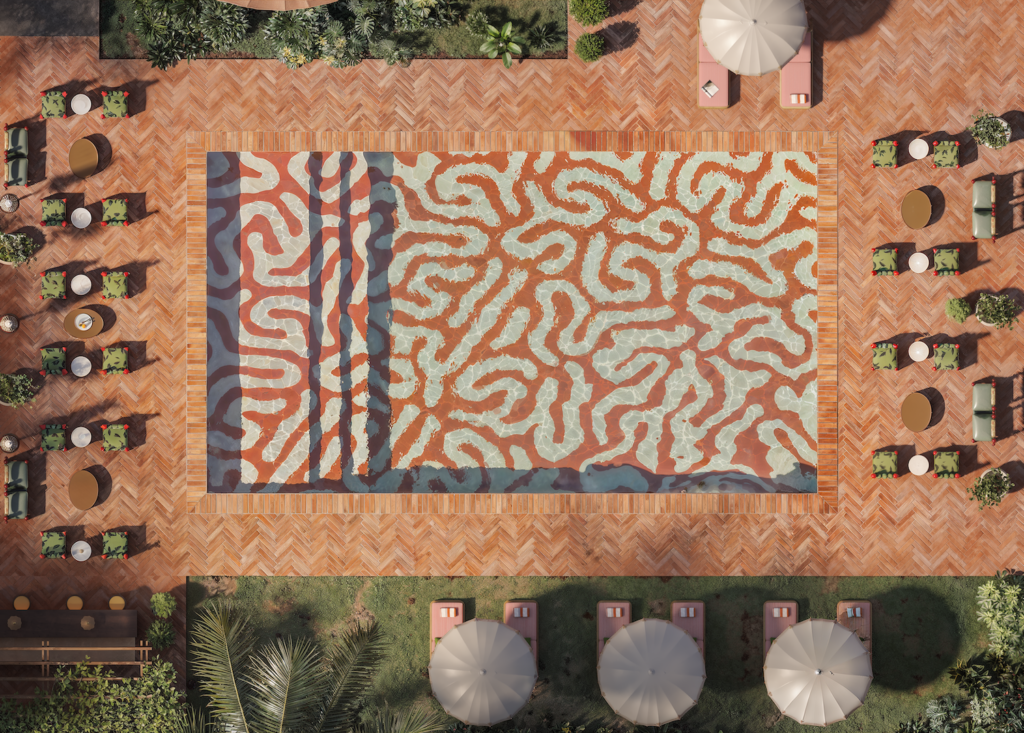
A Contemporary Interpretation of Lagos Hospitality
The client approached us with a clear vision for the project: to develop a boutique hotel that felt deeply connected to Lagos while offering a refined and elevated guest experience.
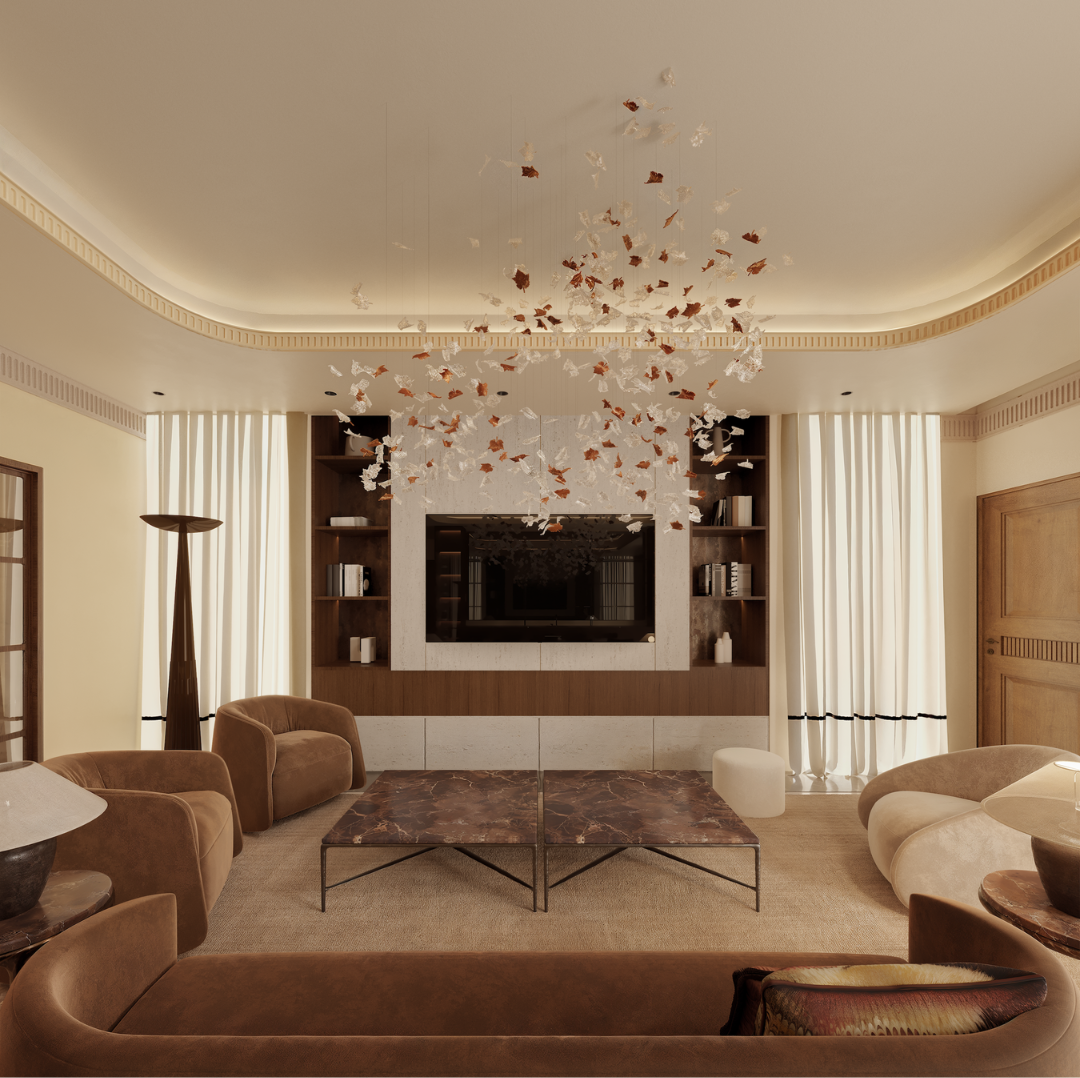
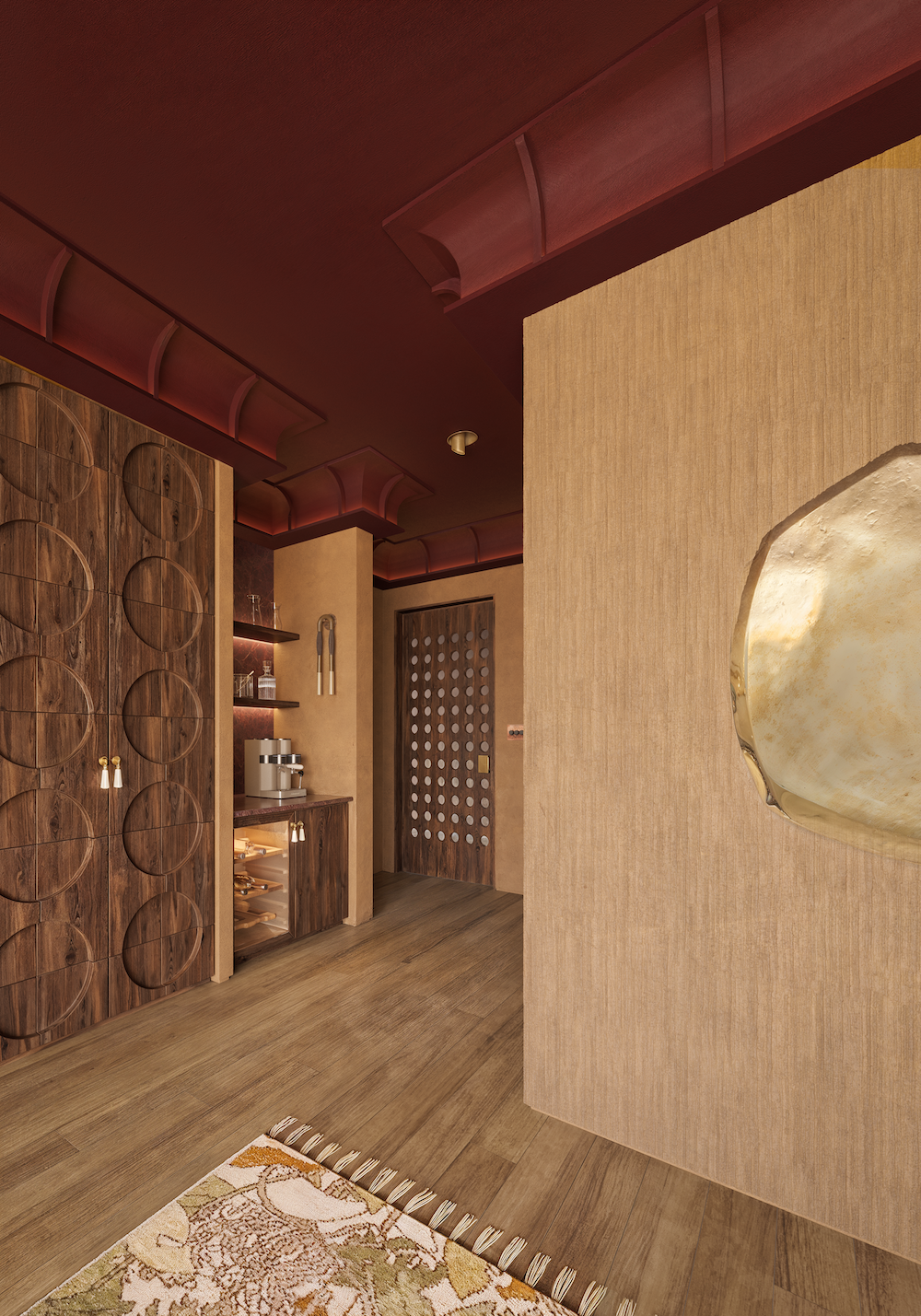
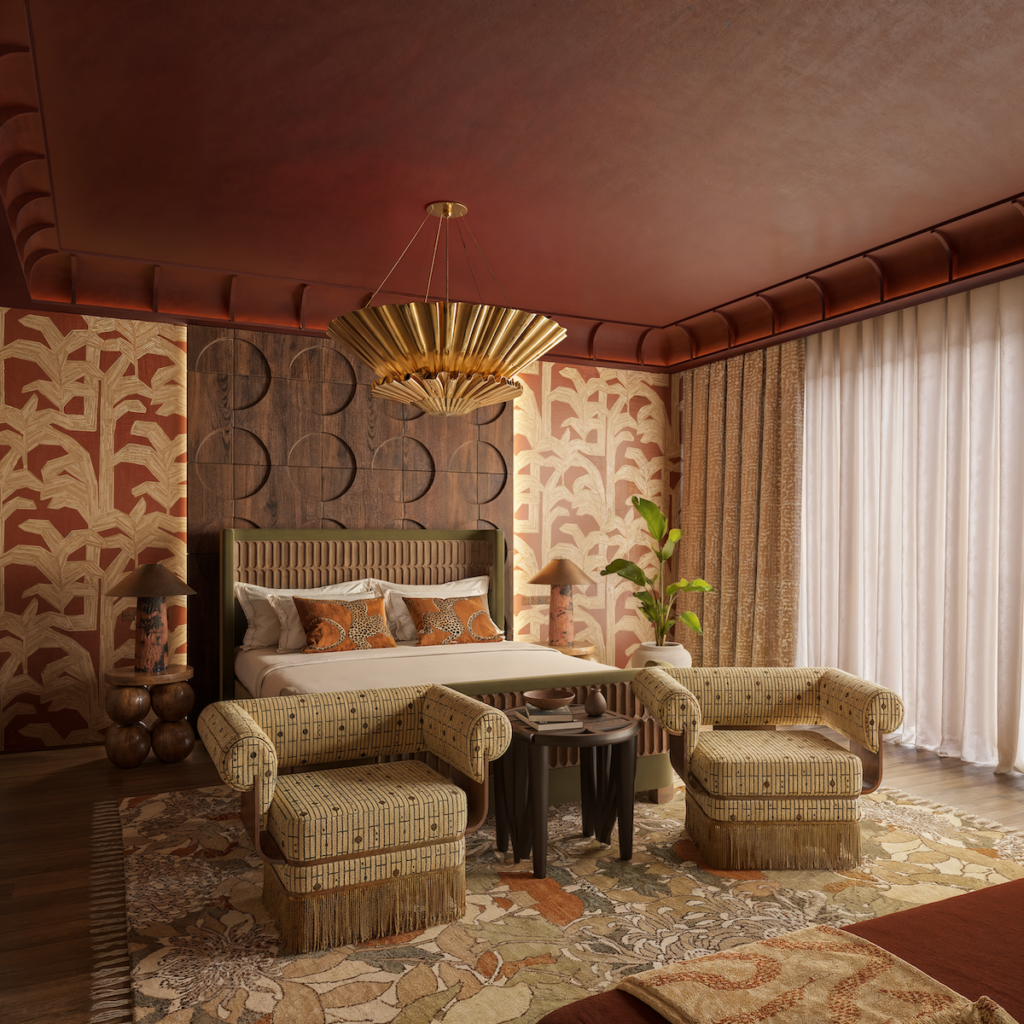
The design language draws inspiration from earthy African heritage, layered with the sophistication of Mid-Century Modernism and Tropical design principles. Warm lighting, rich textures, sculptural forms, and carefully curated material palettes create an atmosphere that feels intimate and luxurious.
Each guest suite is named after notable Nigerian music legends, adding a strong cultural narrative to the hospitality experience and grounding the project within the creative identity of Lagos itself.
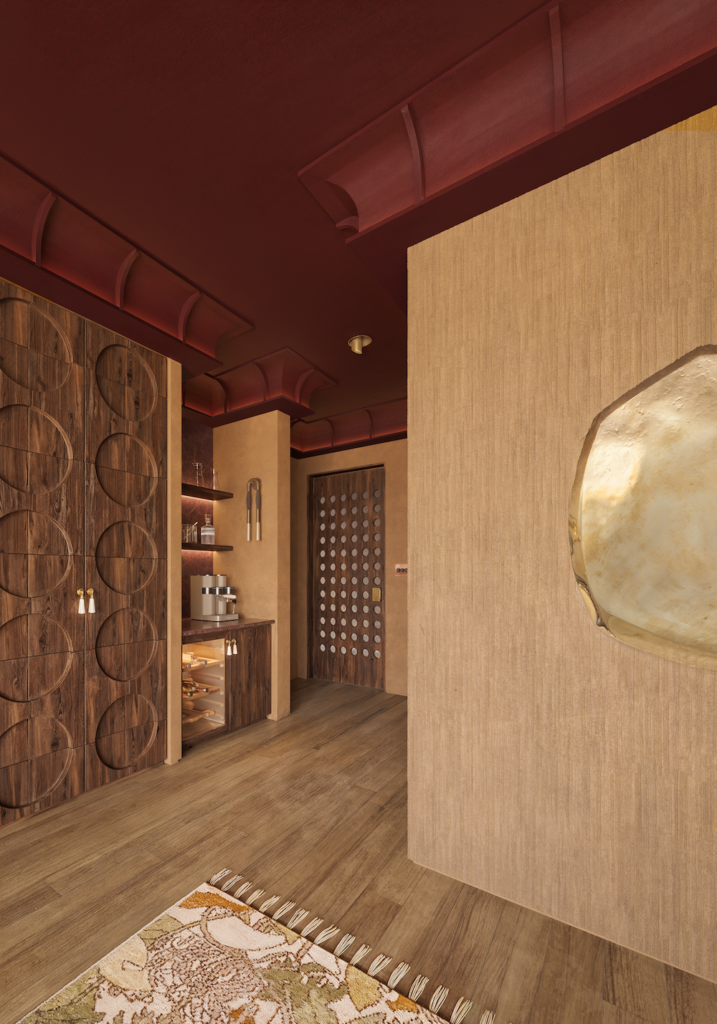
Blending Modernism, Tropical Design & Art Deco
The project sits at the intersection of three complementary design movements, each contributing a distinct quality to the overall experience.
Modernism introduces clarity, simplicity, and architectural restraint. Tropical design brings warmth, tactility, and a strong connection to climate and lifestyle. Art Deco adds rhythm, elegance, and moments of visual drama through geometry.
Together, these influences create a cohesive aesthetic that feels contemporary.
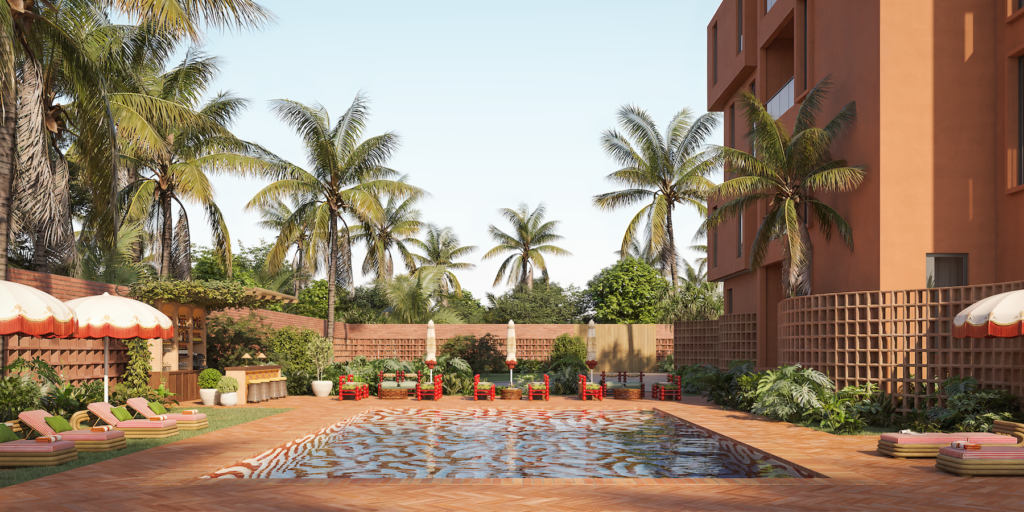
Beyond Accommodation
Although Palm Clay Haus is designed as a short-term residential hospitality development, the ambition extends far beyond simply providing accommodation.
The goal was to create an immersive experience of Lagos: a space that feels restorative and culturally grounded. Rather than functioning as a conventional hotel, the project was conceived as a retreat that encourages guests to slow down, connect with their surroundings, and experience the city through a more curated lens.
This approach shaped every aspect of the design process, from spatial planning and lighting strategies to material selection and furniture layouts.
Designing for Experience
One of the most important ideas explored throughout the project was the notion of designing a temporary home for someone else’s life, however brief their stay may be.
In many ways, the most successful elements of hospitality design are often invisible. Guests may not consciously notice the circulation flow or the ergonomics of a space, but these details significantly influence how a place feels.
At Palm Clay Haus, the objective was to create spaces that feel emotionally coherent to their purpose.
Projects like this are a reminder that hospitality design on the African continent is ultimately about shaping experiences, not just interiors.
We look forward to sharing more as the project develops.
+ View The Comments